In short
If your kitchen sink is slow or blocked, work through the fixes below in order. Start with boiling water, then try bicarbonate of soda and vinegar. After that, use a plunger, and clear the U-bend trap if the sink still holds water.
If the sink clears but blocks again within hours, stop repeating the same fix. Send a request online and we will pass it to a local engineer.
Why kitchen sinks block
Most kitchen sinks block because fat, oil and grease cool inside the pipe. They leave a rough, sticky layer on the pipe wall. Rice, pasta and coffee grounds then catch on it and build a plug.
The build-up is slow, yet the final blockage can feel sudden. A sink that drains slowly for weeks can stop overnight. Our guide to preventing blocked drains in the kitchen covers the daily habits that stop this.
Fix 1: boiling water
Pour a full kettle of boiling water slowly down the drain. This often melts grease that has set on the pipe wall. If the water then drains faster, the blockage was probably grease.
If nothing changes, move on to the next fix. However, do not pour boiling water into a sink with an old plastic waste pipe, since it can soften the joints.
Fix 2: bicarbonate of soda and vinegar
Pour a few tablespoons of bicarbonate of soda into the drain. Follow it with a cup of white vinegar. The mixture fizzes, and that movement helps loosen small deposits.
Leave it for ten to fifteen minutes. Then flush it through with another kettle of hot water. Do not plug the drain while it fizzes, because the gas needs room to escape.
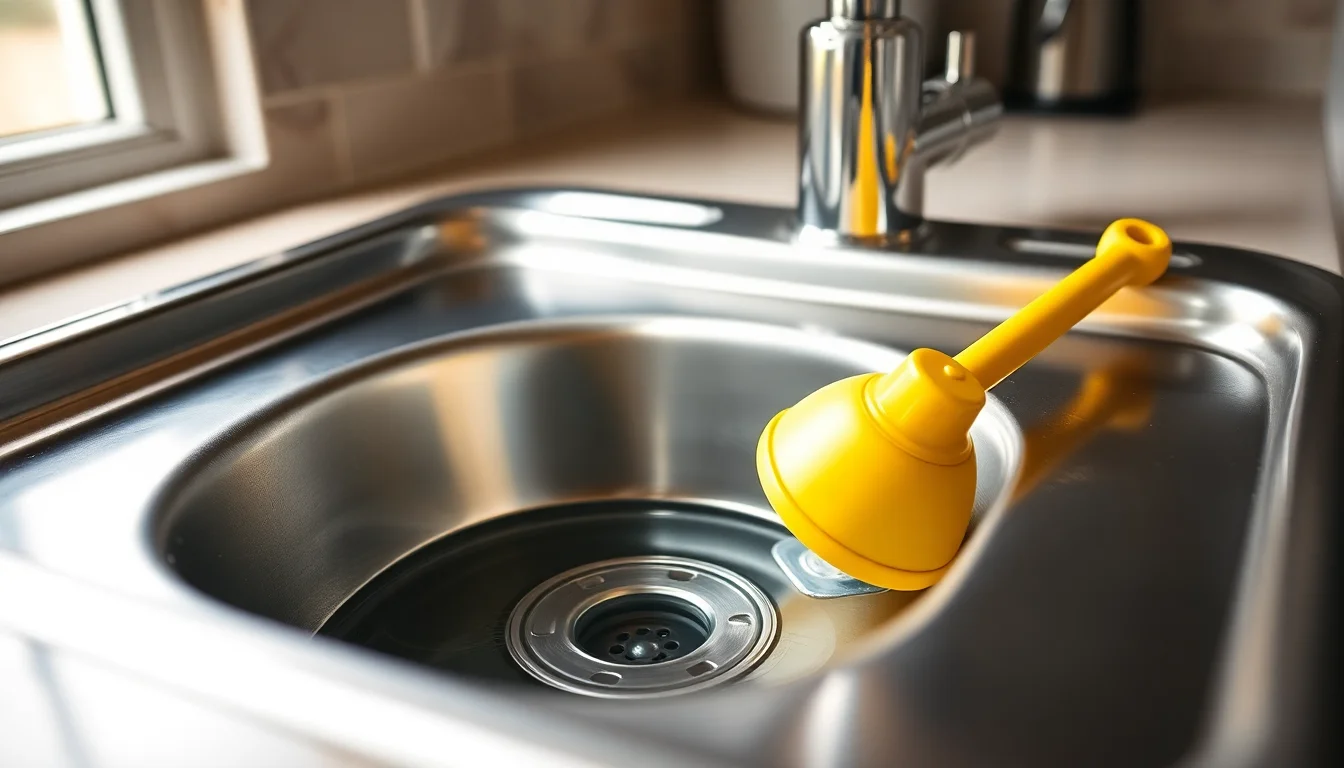
Fix 3: the plunger
A cup plunger works best with an airtight seal, because any leak wastes the force. Cover the overflow hole with a damp cloth first. Then add enough water to cover the rubber cup.
Press down firmly to push out the air, then pull up sharply. Repeat this fifteen to twenty times without breaking the seal. If the water still drains slowly, the blockage sits further down than a plunger can reach.
Fix 4: clean the U-bend trap
The trap under the sink is a common place for solids to settle, since the pipe dips there. Put a bucket under it first. Then loosen the slip nuts by hand, or with pliers if they are tight, and lower the trap gently.
For example, you will often find congealed fat and food waste inside. Clear it with a bottle brush and rinse the trap under the tap. Refit the nuts, run the tap, and check for leaks before you finish.
What not to do
Shop-bought chemical cleaners can damage older pipework. The caustic ingredients make heat, which can warp plastic or weaken old joints. They also struggle with a solid mass of grease, because the liquid only works on what it touches.
If you reach for the bottle more than once a month, the cause is still there. A mechanical fix works better, so see our blocked sink service for what that involves.
Signs it is more than a simple blockage
Watch for a sink that clears and then slows again within hours. That pattern means the blockage is forming further down the pipe. It can also mean a shared branch pipe or the main drain has a problem.
The same applies if the sink, a basin and a shower all drain badly together. Plunging the kitchen sink will not fix that, so it helps to know the other warning signs of a blocked drain. A camera inspection then shows exactly where the blockage sits.
Where to get help locally
For deeper blockages, our internal drain unblocking service uses methods that are kinder to older pipework than repeated chemicals. Our wider blocked drains service covers sinks, baths and toilets alike. Whichever you need, you can send a request online and a local engineer picks it up while you get on with your day.
If you live in town, see our pages on blocked drain help in Banbury and drain unblocking in Banbury. Customers further out can read about sink and drain clearing in Bicester. For a leaking tap or waste pipe under the sink, try general plumbing repairs in Banbury.
Related guides
Some blockages sit outside the house, so our guide to how to unblock an outside drain is a useful next read. A toilet that will not clear can point to the same problem, which we cover in how to unblock a toilet. If you want to know why professionals use water pressure, read about drain jetting and drain rods. Meanwhile, a bathroom fitted with a macerator has its own faults, covered in common Saniflo problems.
Frequently asked questions
Why does my sink keep blocking?
Recurring blockages almost always come from fat, oil or grease that never fully clears. A thin layer sets on the pipe wall with every wash. Food waste then sticks to it and the plug re-forms.
Wipe greasy pans with kitchen roll before washing them. A sink strainer also catches solids before they reach the pipe.
Is bicarbonate of soda safe for pipes?
Yes. It is a mild alkali and does not corrode metal or plastic pipes in these amounts. It reacts with vinegar to give carbon dioxide and water, which are harmless to your plumbing.
Should I plunge straight after the bicarbonate and vinegar?
Wait until the fizzing stops and you have flushed the drain with hot water. Plunging too early can splash the mixture back out. It also stops the plunger forming a good seal.
Can I use a coat hanger to clear the sink?
It is better to use a plunger or a sink snake from a DIY shop. Wire can scratch the pipe or push the debris further down. If a plunger and a clean trap do not work, stop improvising and have the drain looked at.