In short
Work through three steps in order. Try a plunger first, then hot water with washing-up liquid, and then a toilet auger. If the water level does not drop after the auger, or more than one fixture is affected, stop, because the cause is probably elsewhere.
That pattern usually means the problem is not in the toilet itself. Send a request online and we will pass it to a local engineer.
Step 1: the plunger
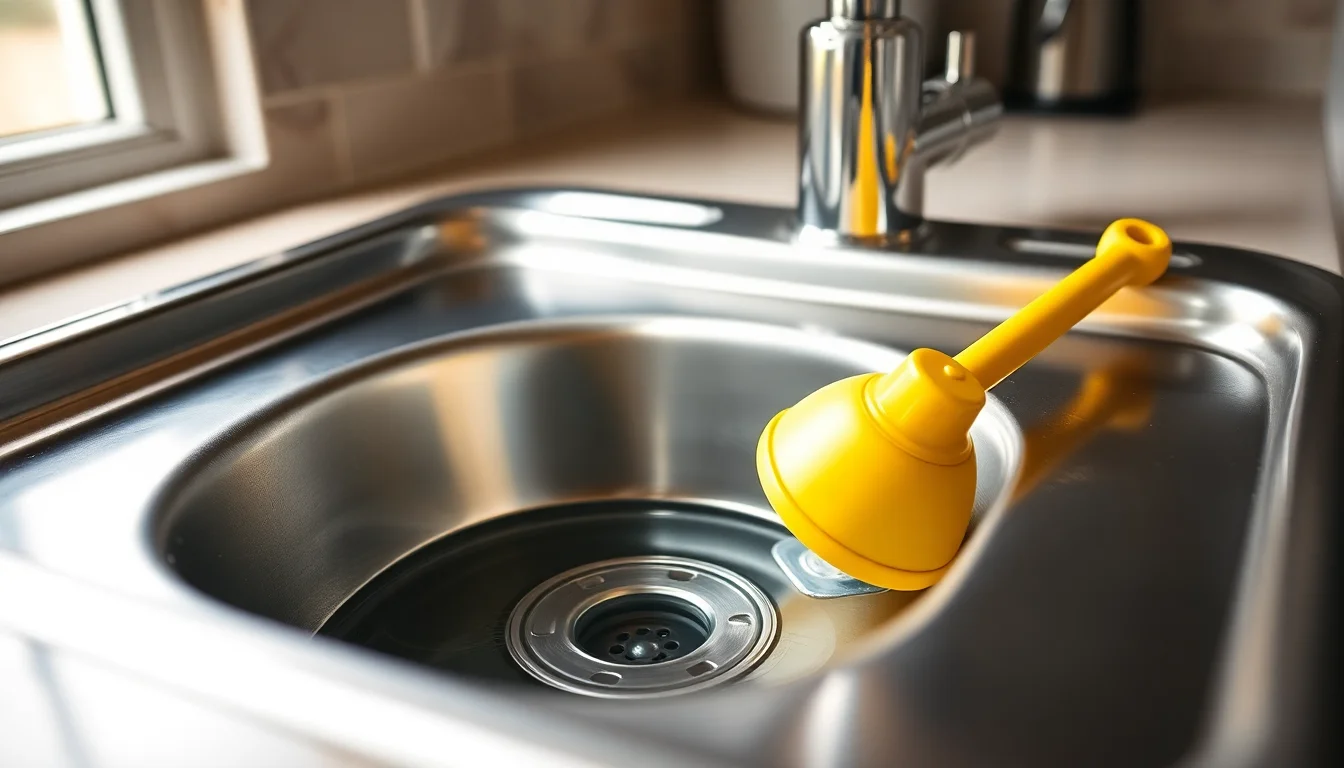
Use a flanged toilet plunger, which has an extra rubber fold that seats in the outlet. A flat sink plunger is the wrong tool. A good plunger shifts most blocked toilets.
- Make sure the bowl holds enough water to cover the plunger head. Top it up with a jug if it is low.
- Push in gently first to release trapped air, then form a firm seal over the outlet.
- Plunge with steady, firm strokes rather than short, frantic ones.
- Give it ten to fifteen strokes, then pause and watch the water.
If the water starts to drain, repeat until the bowl clears. Do not flush again while the bowl is nearly full.
Step 2: hot water and washing-up liquid
If plunging fails, washing-up liquid can still help. It lubricates whatever is stuck, especially if the blockage is mostly paper. Squeeze a generous amount into the bowl.
Then add hot water from the tap. Do not use boiling water from the kettle, because it can crack the ceramic bowl. Leave it for ten to fifteen minutes, then try the plunger again.
Step 3: a toilet auger
A toilet auger is a flexible cable with a hand crank, made for toilets. It costs little, and it is worth owning if blockages keep coming back. Feed the protective sleeve into the bowl first to guard the porcelain.
Extend the cable down into the trap and turn the crank slowly. You should feel resistance where the blockage sits. Keep turning gently to break it up or hook it, then withdraw the cable, since pulling hard can scratch the bowl. Flush to test, and if the water drains normally, you are clear.
When to stop
This is the point that matters most. If the water still does not drop after a plunger and an auger, the blockage is probably not in the toilet's own trap. It is more likely further down, in the shared drain run, and more plunging will not fix that.
Two other signs point the same way. Watch for both of them, because either one rules out a simple fix.
- Repeated flushing makes it worse. If the bowl fills higher each time, stop flushing at once, because it may overflow.
- More than one fixture is affected. A slow bath, a gurgling sink or a backed-up outside gully at the same time suggests the main drain.
Our guide to the tell-tale signs of a drain blockage gives the fuller picture. In Banbury's older terraces around Grimsbury and Neithrop, several houses can still share one lateral drain. A toilet that will not clear, alongside slow drainage elsewhere, is a classic sign of a problem in that shared run.
What not to do
- Do not use chemical drain cleaners in a toilet. They are made for sinks and baths, and they can damage the glaze and the seals at the pan connector.
- Do not keep flushing to see if it will go down. Each flush adds water to a system that already struggles, which raises the risk of an overflow.
- Do not tip bucket after bucket into a full bowl. It adds no clearing force, and it just increases the flood risk.
- Do not ignore a toilet that keeps blocking. A toilet that clears with effort and blocks again within days usually has a partial blockage further down.
Still blocked? Get it sorted
Our blocked toilet service has equipment that reaches further than a household auger. An engineer can also check whether the cause is in the drain rather than the pan, because the two need different fixes. Our drain unblocking service covers the shared run.
For local help, see blocked toilet and drain help in Kidlington and drain unblocking in Kidlington. If a leak or a failed fitting is part of the problem, try bathroom plumbing in Banbury or bathroom plumbing help in Bicester. However, a flood risk calls for our emergency plumbing team.
Related guides
A toilet in a basement or en-suite may use a pump, because it sits below the drain. Read about common Saniflo faults. If the bowl overflows, our guide to dealing with a drain emergency explains what to do first. A sink that blocks at the same time is covered in five fixes for a blocked kitchen sink.
Water on the floor may also come from a supply pipe, while the cause differs. See our guide to a burst pipe before the engineer arrives. If you share a drain with neighbours, private and public drain boundaries explains who clears it.
Frequently asked questions
Why will my toilet not unblock?
Usually the blockage is packed too tightly for a plunger to shift. Otherwise it sits further down the drain run rather than in the toilet's own trap. Plunger, hot water and an auger cover most household blockages, so if none of them work, the problem is downstream.
Can I pour drain cleaner down a toilet?
It is best to avoid it. Drain cleaners are made for sinks and baths. In a toilet they risk damaging the pan and its seals, with no reliable chance of clearing a stubborn blockage. A plunger and auger are safer and work better.