In short
A septic tank holds back solids and lets the liquid flow out to a soakaway. A cesspit stores everything with no treatment, so a licensed waste carrier has to empty it. A packaged treatment plant, such as a Klargester unit, actively treats the sewage before it leaves, while the other two do not.
Because of that, its cleaner effluent can often go to a soakaway or, in some cases, a watercourse. If you cannot tell which you have, send a request online and we will help you work it out.
What each system looks like
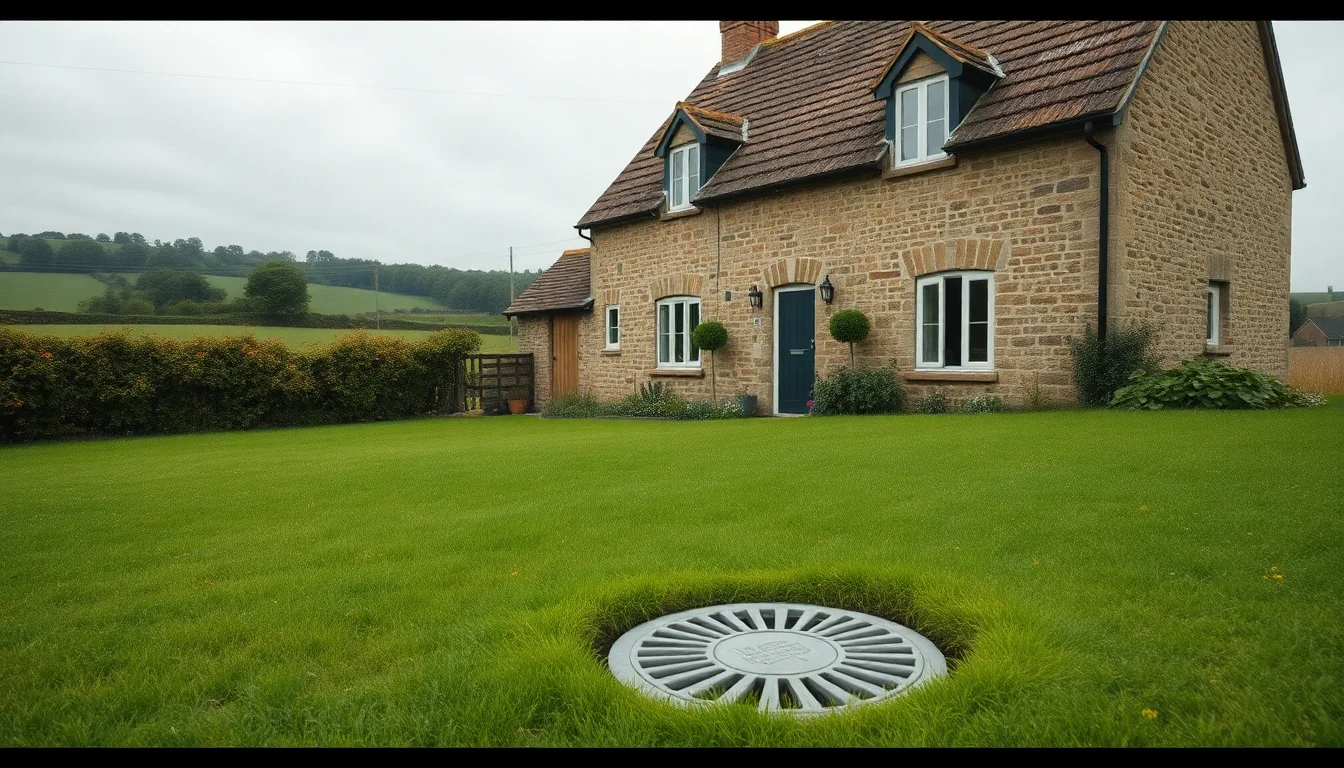
A traditional septic tank is usually a two-chamber underground tank. It may be concrete, fibreglass or polyethylene, with one or two inspection covers. It has no power supply, and it should not smell strongly unless it needs emptying. The liquid outlet leads to a soakaway, which is a perforated pipe or gravel trench.
A cesspit, or cesspool, is a single sealed chamber with an inspection cover. Its key feature is that it has no outlet pipe at all. Because nothing leaves except by emptying, it fills quickly. A persistent sewage smell near the cover is the usual sign that it is due.
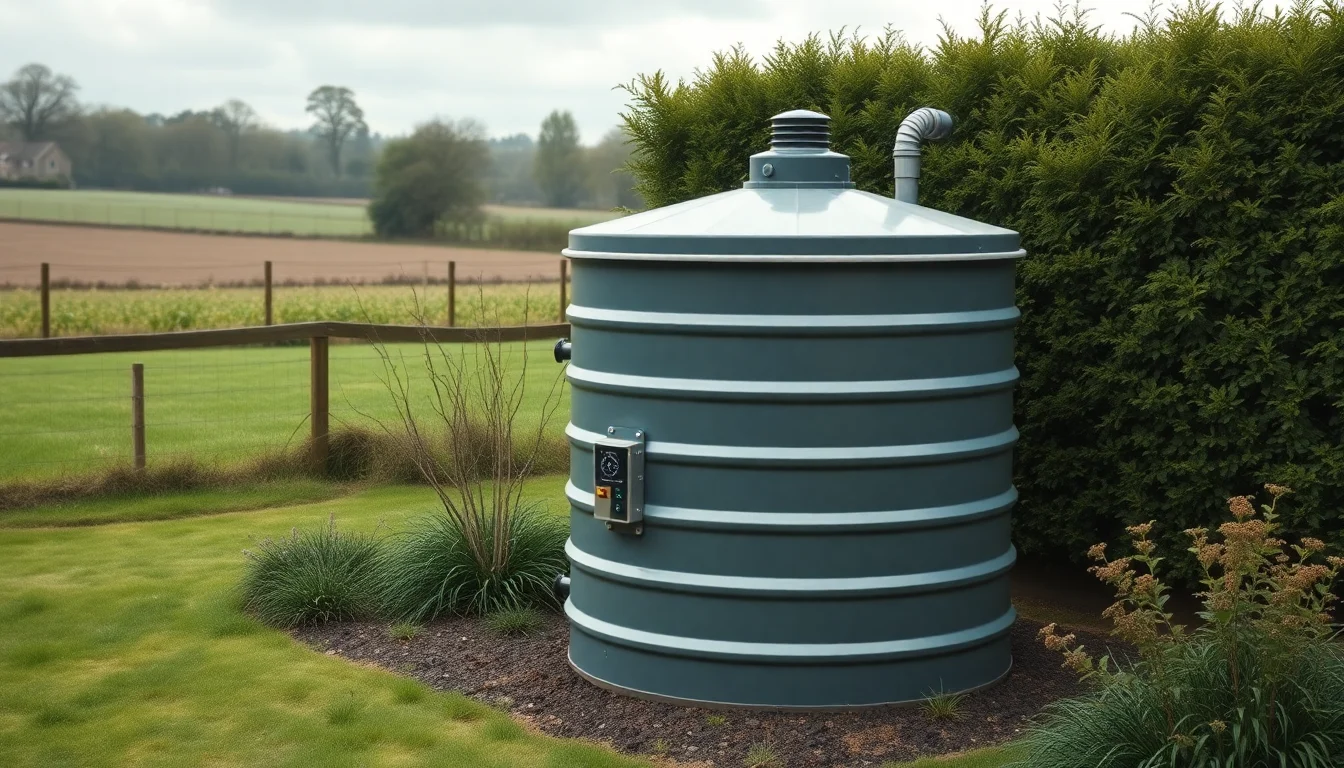
A packaged treatment plant is often larger and more rounded. The giveaway is a power supply, such as a control box, a vent pipe or a cable running to the unit. Inside, an aerator or filter treats the sewage before it is released. As a result, there is normally little smell when it works well.
Where each system may discharge
The Environment Agency's General Binding Rules say where each type may send its effluent without an individual permit. A septic tank must discharge to a soakaway, where the liquid soaks into the subsoil. It may not discharge to a ditch, stream or river, because the effluent is not treated enough.
A cesspit has only one lawful route. A licensed waste carrier removes the contents to an authorised treatment site, and nothing goes to ground or water. A treatment plant that meets recognised standards can usually discharge to a soakaway. However, in some cases, where the effluent is clean and the stream is large enough, it may discharge to a watercourse.
Our guide to the General Binding Rules in Oxfordshire covers this in more detail. It also explains why a tank cannot send untreated liquid to a stream, since that risks pollution.
Klargester and other treatment plants
Klargester is a well-known UK maker of packaged treatment plants. You will see Klargester and similar units on rural North Oxfordshire plots, especially where the ground suits a large soakaway poorly. A service visit usually covers four checks, although the details vary by model:
- A visual check of the tank, covers and pipework for cracks or blockages.
- A test that the pump, aerator and control panel work.
- An assessment of sludge depth, to see if emptying is due.
- Where possible, a check of the effluent against the rules.
Makers usually advise a yearly service, yet the right interval depends on the plant size and how many people use it. Check your manual, and ask an engineer if it is missing.
Ground conditions around Banbury
Whether a soakaway works depends on the ground it sits in. North Oxfordshire geology changes a lot over short distances. Ironstone can be hard and slow to drain near the surface. Limestone is often more open, although clay fill can block it.
Clay is common in valleys and low ground around Banbury, and it drains very slowly. A gravel soakaway on clay can become waterlogged. As a result, a treatment plant is sometimes the more practical choice on a rural plot. A percolation test on your land is the only way to be sure, and we can arrange one as part of a septic assessment. See our septic tank services page for what we cover.
Pipework between the house and the tank
Many tank problems start in the pipes, not the tank. Cracks and roots stop waste reaching the tank, while silt slows it and bad joints let it leak on the way. A camera survey shows the true state of the run, and our CCTV drain survey service covers that.
For repairs to the pipework, see our pages on drain repairs in Woodstock, drain repair help in Chipping Norton and pipe repairs in Kidlington. For the tank itself, our septic tank services in Deddington page lists the work we cover there.
Related guides
Once you know what you have, plan its upkeep with how often a septic tank needs emptying, since the interval depends on the system. If you are buying a rural home, read the drainage checks before buying and the CCTV drain survey guide for home buyers. Outside the tank, the usual blockage fixes apply, as in outside drain unblocking tips.
A slow drain in the house can be an early clue, so check the warning signs of a blocked drain. Slow drains often appear before a tank fails, yet many owners miss them.
Frequently asked questions
Do you service Klargester tanks?
We do not run a scheduled servicing contract. However, our engineers know Klargester and other treatment plant brands. Get in touch and we will assess the tank, covers and pipework, and check whether it is likely to meet the rules. We can also carry out repairs, and a licensed waste carrier handles any emptying.
What is the difference between a septic tank and a treatment plant?
A septic tank relies on gravity and settling. Solids sink, fats float, and the clearer liquid in between flows out to a soakaway. A treatment plant adds an active stage, usually aeration, that breaks down organic matter first. That makes the discharge cleaner, so it can sometimes go to a watercourse where a septic tank could not.
How do I know which system I have?
Start with what you can see. A power supply or control box near the covers points to a treatment plant. A single sealed chamber with no outlet pipe is a cesspit. If you are still unsure, a site visit settles it, because we locate the tank, check for power and trace the discharge pipe.
Do I need permission for a septic tank or treatment plant?
A small domestic system that meets the General Binding Rules does not usually need an individual permit. Systems that do not meet the rules, particularly older ones that discharge to a watercourse, may need an upgrade or a permit. Our General Binding Rules guide explains more.
If you want a clear picture of your property, get in touch through the contact form. We help homes anywhere from the Deddington service area to the Shipston-on-Stour service area, and the villages between.