In short
If a pipe bursts, find the stopcock and turn it off first. Then open the cold taps to drain the system. Once the water is off, send a request online and a local engineer can pick it up. Meanwhile, the steps below limit the damage.
The sections below walk through each step while you wait for help. They are short, because speed matters.
Not every plumbing emergency is a blocked drain
This guide covers burst pipes, a total loss of water, and failed heating or hot water. These need a different response from a blocked drain, since the water is clean and under pressure. For a blocked drain, read our guide to emergency drain problems instead.
Our emergency plumbing service and burst pipe emergency page explain what each visit involves, although every job differs. Read them while you wait.
Find and test your stopcock
In most UK homes the main stopcock sits where the water pipe enters the house. Common spots include under the kitchen sink, near the water meter, and in a garage, cellar or airing cupboard. In older stone houses around Banbury, it may sit behind a panel in the hall or under the stairs.
Check now that yours turns freely. Turn it clockwise until it stops, and the flow from a tap should stop too. If it is stiff or corroded, get it looked at before winter, because a working stopcock saves time when a pipe bursts.
Isolate the water, then drain the system
Once the stopcock is off, the next job is to relieve the pressure. Open the lowest cold tap first, which is often an outside tap or a ground-floor sink. Then open the other cold taps and flush the toilets.
After that, open the hot taps to drain the hot side. If water still drips after a couple of minutes, the stopcock is probably not fully closed. Go back and check it, because the pressure inside the pipes falls sharply once the system is empty.
Contain the leak while you wait
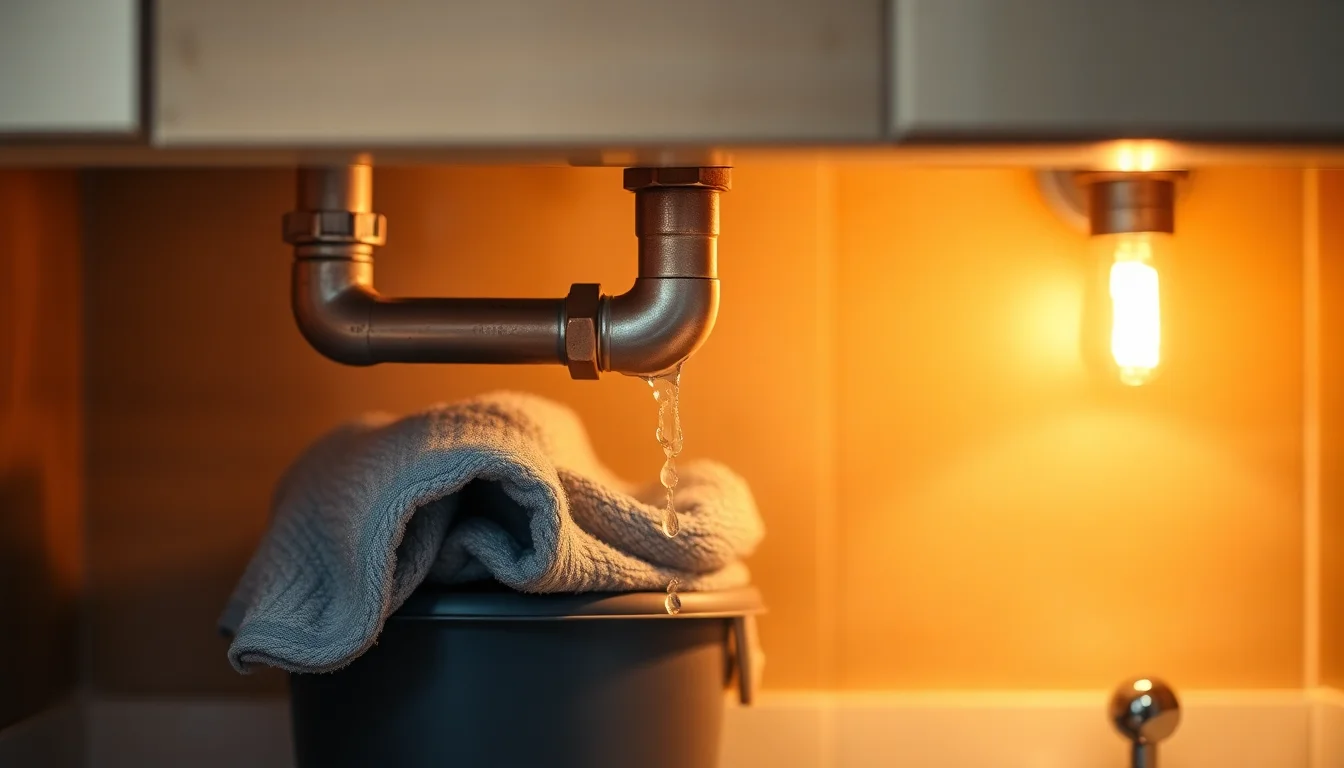
Water that has already escaped keeps flowing until the pipe empties, so catch it early. A bucket, bowl or large bin under the leak catches the drips. Towels and mops soak up water on the floor, so swap them as they fill.
Move furniture and appliances away from the wet area. If water is near sockets or the consumer unit, switch off the circuit at the fuse box first. Do not touch electrical fittings while they are damp. An open window also helps, since moving air reduces the damp that settles into plaster and timber.
Freeze and thaw risk in North Oxfordshire
Pipes burst in cold snaps because water expands as it freezes. That pushes on the pipe walls until a joint or a split gives way. The risk is real here for a few reasons.
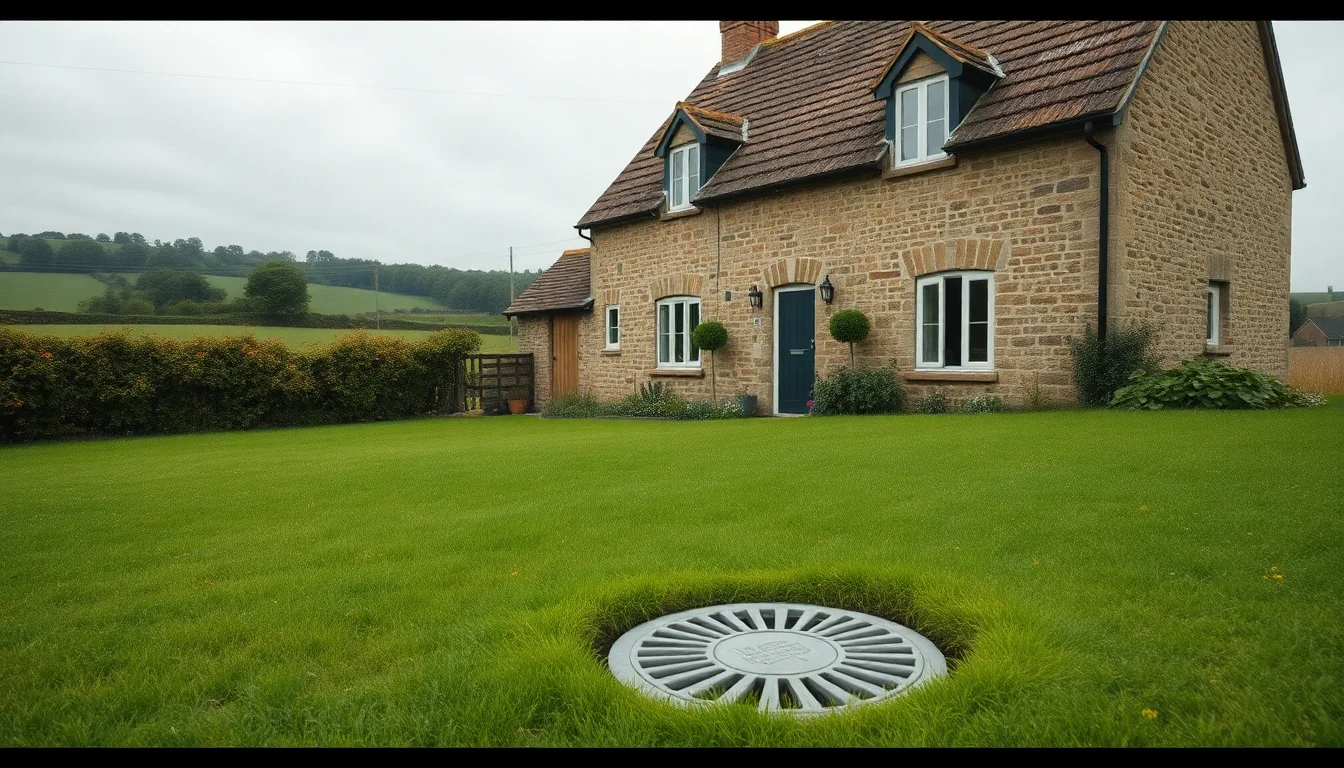
Many rural properties have long pipe runs through unheated lofts, garages and outbuildings. Older stone houses often have solid walls, so the inside cools quickly. Homes with septic tanks may also have pipework outside the heated part of the building, which makes them more exposed.
You can cut the risk in a few simple ways. Each one takes only a few minutes.
- Lag exposed pipes in lofts, garages and under floors, paying attention to bends and joints.
- Leave a tap very slightly open in a hard freeze so a trickle keeps moving.
- Keep unused rooms at a low background temperature.
- Learn where your stopcock is before you need it.
If you think a pipe is frozen but has not burst, gentle heat still helps. Use a hairdryer on a low setting or warm towels. Never use a naked flame or a blowtorch.
Local help for burst pipes
If a pipe has burst, an emergency visit is the fastest route to a safe repair, because a temporary fix may not hold. See our pages on emergency plumbing in Brackley and emergency plumber help in Chipping Norton. We also cover urgent plumbing in Daventry.
For a slow leak that you cannot trace, try our leak detection and repair service. Homes further south can read about general plumbing repairs in Kidlington.
Related guides
A burst pipe is only one kind of emergency, and the others are covered in our guide to what to do in a drain emergency. Pipes that leave your boundary raise other questions, so see who is responsible for a shared drain. A damp patch can also be an early clue, as described in the symptoms of a blocked drain.
Burst pipes can flood a bathroom, so our guide to clearing a blocked toilet may help with the clean-up. If your bathroom has a macerator, read about common Saniflo faults. Finally, keeping kitchen drains clear cuts the risk of a second problem.
Frequently asked questions
What counts as a plumbing emergency?
Any situation where water escapes without control counts, and so does a total loss of water. A heating failure that risks damage counts too. A burst pipe, a major boiler or cylinder leak and a collapsed soil stack all qualify.
A blocked drain is urgent too. However, it involves waste water rather than the supply, so we cover it separately.
How do I stop a burst pipe flooding my house?
Shut the main stopcock first. Then open the cold taps from the lowest point up, which drops the pressure and stops fresh water reaching the leak. While the system drains, catch the escaped water with buckets and towels.
Keep electrics away from the wet area, because water and mains power do not mix. Switch off the nearest circuit if water reaches sockets or appliances.
Should I repair the burst pipe myself?
Unless you know copper, plastic or lead pipework, leave the repair to a qualified engineer. A temporary clamp or self-amalgamating tape can buy a little time. However, a poor fix can fail under pressure and cause more damage than the burst itself.
How do I find my stopcock?
Check under the kitchen sink first, as that is the most common spot. After that, look near the water meter, in a garage or cellar, or behind a panel under the stairs. If you cannot find it or it will not turn, a local engineer can help.
Remember the sequence: shut off the water, drain the system, then get in touch for the repair. It is simple, yet it prevents most of the damage.